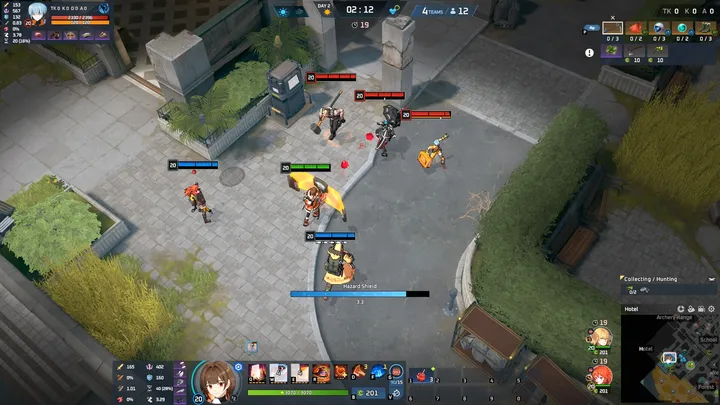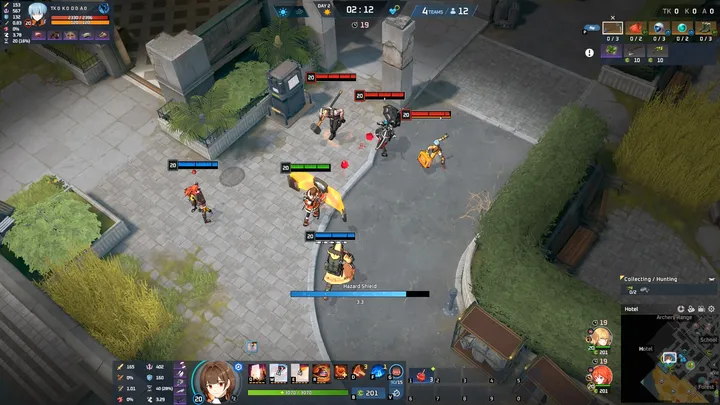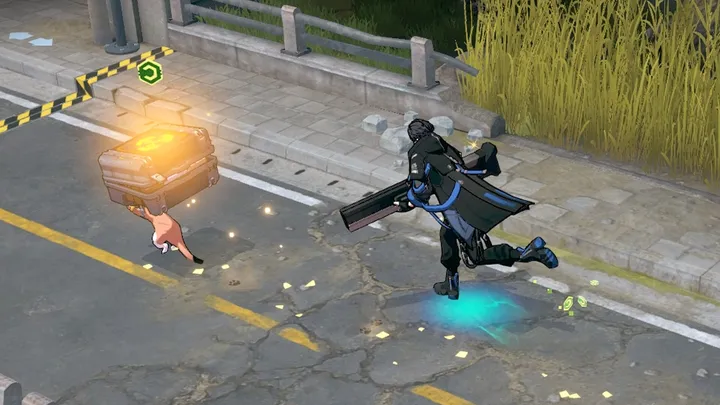






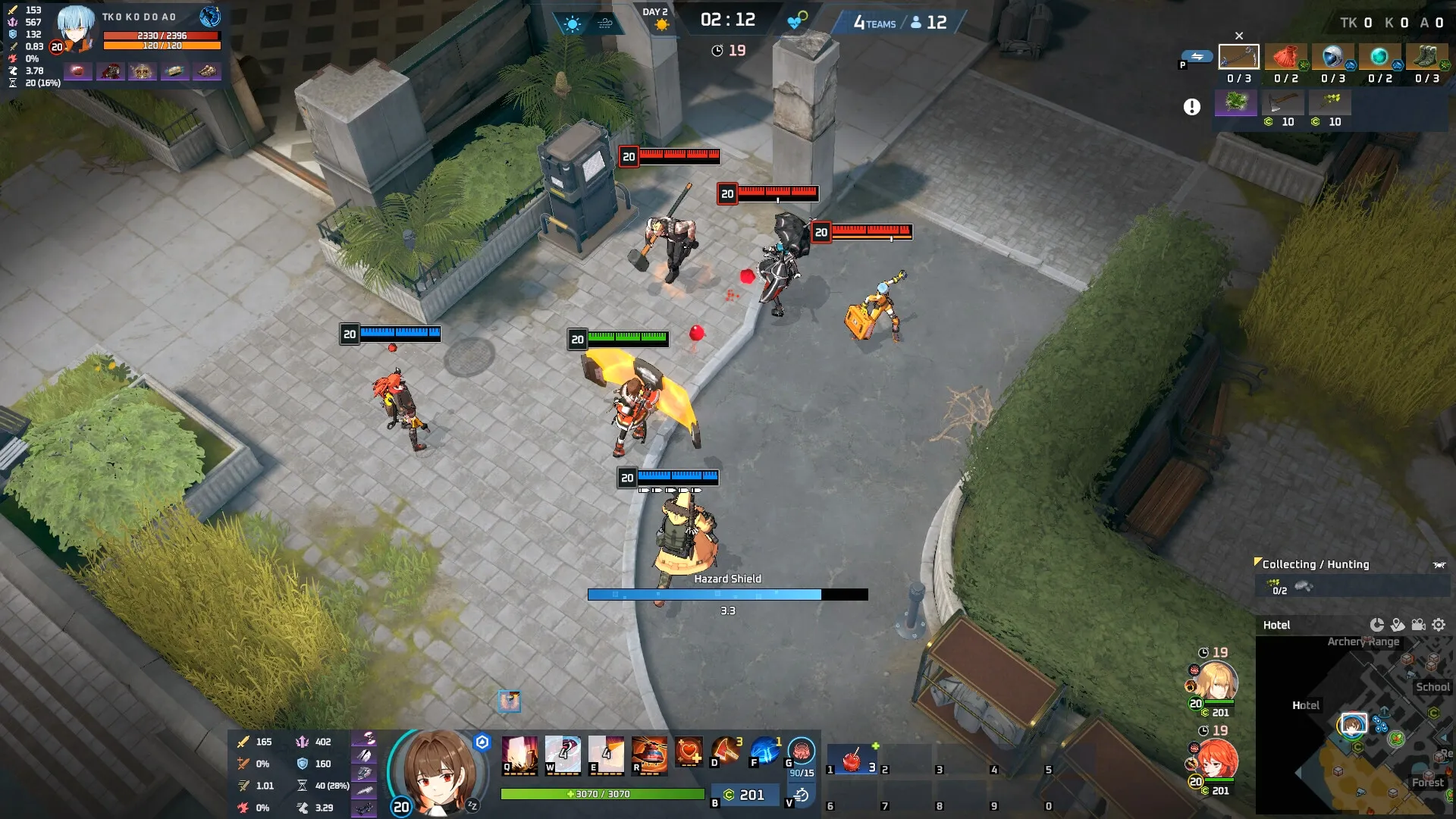
Eternal Return is a hybrid competitive game that merges battle royale survival with MOBA-style character abilities. Developed by Nimble Neuron, the game places players on the island of Lumia, where they must craft weapons, gather materials, fight opponents, and survive until the final zone closes.
While Eternal Return appears to reward mechanical skill, character mastery, and team coordination, experienced players know that one system dominates all others: early-game routing. Route optimization determines where players go, what items they gather, and how quickly they complete their build. In theory, this system adds strategic depth by allowing players to design personalized paths through the map.
In practice, however, the routing system introduces a structural issue: optimal routes become mandatory, compressing strategic diversity and punishing experimentation. Over time, the game shifts from a flexible survival strategy into a race to complete a predetermined crafting path before opponents do.
This article explores the specific issue of route optimization dominance in Eternal Return—how it emerges, why it constrains gameplay decisions, and how it ultimately reshapes the competitive experience.
1. The Core Idea Behind Crafting Routes
Crafting is central to Eternal Return’s identity. Unlike many battle royale games where players loot random weapons, Eternal Return requires players to gather specific materials and combine them into powerful gear.
Players must travel across different areas of the map to collect the components needed for their final equipment.
H3: The Intended Strategic Layer
The routing system theoretically allows players to:
- Choose safer or riskier paths
- Prioritize certain items first
- Adapt routes depending on enemy presence
H4: Strategic Freedom in Theory
The game seems to reward improvisation and map awareness.
However, the practical reality evolves very differently.
2. The Emergence of Optimal Routes
As the player base gained experience, the community began analyzing the most efficient crafting paths for each character.
Databases, guides, and route planners appeared almost immediately.
H3: Optimization Through Knowledge
Players discovered that certain routes:
- Minimize travel time
- Guarantee required materials
- Avoid high-risk zones early
H4: The Birth of the “Perfect Path”
Once optimized routes became public knowledge, deviation from them often meant slower progression.
Slower progression means weaker equipment.
And weaker equipment means losing fights.
3. Early Game Becomes a Speed Race
The early phase of every match quickly transformed into a race to finish builds before encountering enemies.
H3: The First Five Minutes
During the opening minutes, players prioritize:
- Rapid area transitions
- Efficient material collection
- Avoiding unnecessary combat
H4: Combat Avoidance
Ironically, in a combat-focused game, the optimal strategy is often not fighting until equipment is finished.
This shifts the early game away from tactical engagement.
4. Punishment for Route Deviation
One of the biggest issues with the routing system is how severely experimentation is punished.
H3: Small Delays, Big Consequences
If a player:
- Misses a material
- Enters a zone too late
- Encounters early combat
Their crafting timeline collapses.
H4: Snowballing Disadvantage
Even a 30-second delay can result in:
- Lower weapon tier
- Missing defensive gear
- Losing early skirmishes
The game’s balance amplifies early mistakes.
5. Character Balance Becomes Route Balance
Characters in Eternal Return are designed with unique abilities and playstyles. However, their effectiveness often depends more on route efficiency than on skill expression.
H3: Route Compatibility
Some characters have routes that are:
- Extremely efficient
- Located in low-risk areas
- Easy to execute consistently
H4: Character Tier Distortion
Characters with difficult routes become weaker in practice, even if their abilities are strong.
This creates an indirect balance problem.
6. Map Knowledge vs Creativity
Advanced players memorize routes rather than invent strategies.
H3: Knowledge Over Adaptation
Competitive play emphasizes:
- Route memorization
- Zone timing awareness
- Material spawn locations
H4: List – What Players Prioritize Instead of Experimentation
- Pre-planned crafting paths
- Efficient area transitions
- Avoiding unpredictable fights
- Completing builds as quickly as possible
Creativity declines as optimization dominates.
7. The Psychological Pressure of Routing
The routing system creates unique psychological stress.
H3: Constant Time Anxiety
Players feel pressure to:
- Move faster than opponents
- Avoid wasted movement
- Track zone closures precisely
H4: Fear of Falling Behind
Once players believe they are behind in gear progression, they often adopt desperate strategies or disengage from fights entirely.
This affects match pacing.
8. Team Modes Intensify Route Rigidity
In squad and duo modes, routing becomes even more structured.
H3: Coordinated Crafting Paths
Teams plan routes together to avoid:
- Competing for materials
- Splitting too far apart
- Delaying team power spikes
H4: Reduced Flexibility
If one player deviates from the team route, the entire group risks falling behind.
This discourages improvisation.
9. Spectator Experience and Strategic Visibility
From a viewer perspective, routing is difficult to understand.
H3: Invisible Strategy
Unlike visible combat mechanics, route efficiency happens largely through movement.
H4: Spectator Challenge
Viewers may struggle to see why one player suddenly dominates another.
Often, the answer is simple:
One finished their build first.
10. The Core Design Conflict
Eternal Return faces a fundamental design tension.
H3: What Routing Adds
The system provides:
- Strategic map planning
- Crafting depth
- Resource management
H4: What Routing Limits
However, excessive optimization leads to:
- Reduced experimentation
- Predictable early-game behavior
- Character imbalance tied to route efficiency
Possible improvements could include:
- Dynamic material spawns
- Multiple viable crafting paths
- Greater flexibility in item recipes
- Incentives for adaptive play
These changes could restore creativity without removing strategic planning.
Conclusion
Eternal Return stands out among competitive multiplayer games for its ambitious blend of survival mechanics, crafting systems, and MOBA-style combat. Its routing system was designed to give players control over their progression and encourage strategic planning across the map.
Yet over time, optimization has transformed routing from a strategic option into a competitive requirement. Players who deviate from established paths risk falling behind before combat even begins. The result is a game where early-game movement decisions often determine outcomes long before the final circle.
For Eternal Return to maintain long-term strategic diversity, it must rebalance the relationship between planning and adaptability. Crafting routes should empower players to express their strategy—not confine them to a predetermined race.
Only then can Lumia Island truly become a battlefield of creativity rather than a map of memorized paths.