






Introduction
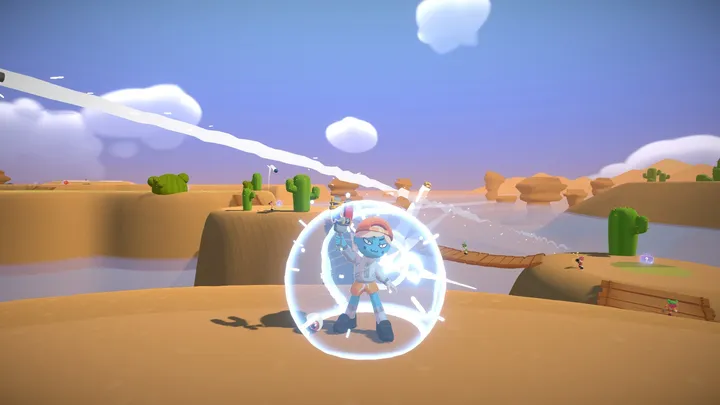
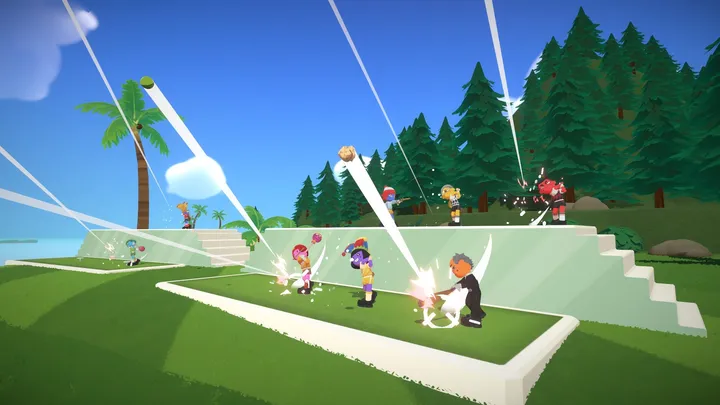
Super Battle Golf is not just a casual arcade sports game—it is a competitive precision arena where physics, timing, positioning, and tactical aggression collide. While the game may look colorful and fast-paced on the surface, long-term success requires structured improvement, mechanical consistency, and mental discipline.
This in-depth “how to” guide walks you through mastering Super Battle Golf step by step. From beginner fundamentals to advanced competitive tactics, each section follows a natural progression timeline so you know exactly what to focus on at every stage of your journey.
1. How to Understand the Core Mechanics
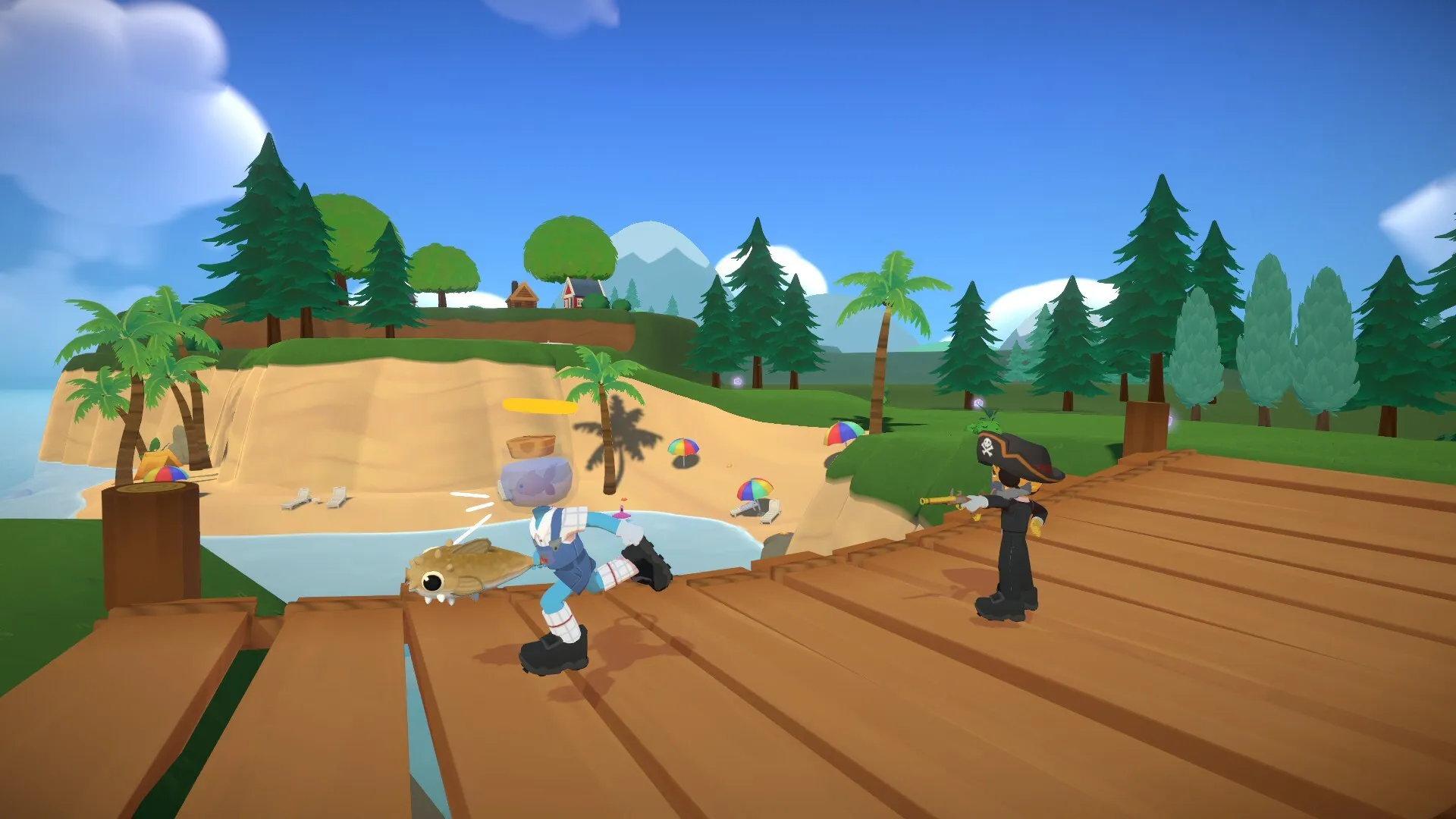
Before focusing on winning matches, you must understand how the game truly works. Super Battle Golf revolves around shot power control, trajectory angles, terrain interaction, and real-time player interference.
Unlike traditional golf simulations, this game blends arcade chaos with precision mechanics. Every shot has weight, friction, and bounce variables affected by terrain type and elevation.
Core Gameplay Elements
- Shot power meter control
- Angle precision
- Terrain physics
- Obstacle interaction
- Opponent interference
Beginner Rule
Never swing at maximum power unless you fully understand the bounce path.
Understanding mechanics early prevents bad habits that are hard to fix later.
2. How to Control Power and Shot Angles Consistently
Most beginner mistakes come from poor power management. Over-hitting the ball causes unpredictable bounces and lost positioning.
Learning to control 50%, 70%, and 85% power shots consistently is far more valuable than hitting 100% shots randomly.
Power Control Training Method
- Practice mid-range shots repeatedly.
- Focus on landing zones instead of the hole.
- Learn bounce behavior on each terrain type.
Angle Optimization Tip
Slight angle adjustments (1–3 degrees) drastically change rebound patterns. Micro-adjustments separate casual players from advanced competitors.
3. How to Read Terrain and Environmental Hazards
Terrain awareness determines long-term consistency. Super Battle Golf courses often include slopes, sand traps, boost pads, moving obstacles, and environmental hazards.
Each terrain type affects ball speed and bounce differently. Sand reduces momentum, slopes redirect direction, and boost pads increase unpredictability.
Terrain Awareness Checklist
- Identify elevation changes before shooting.
- Avoid sand unless strategically necessary.
- Use slopes intentionally, not accidentally.
- Predict rebound angles before committing.
Advanced Insight
Sometimes indirect bank shots are safer than direct approaches.
Reading terrain transforms you from reactive to proactive.
4. How to Build Early Match Strategy
Winning early matches requires balancing aggression and control. Many players rush for quick finishes and sabotage their own positioning.
The smarter approach is incremental advantage. Positioning your ball in a safe landing zone often matters more than reducing stroke count immediately.
Early Strategy Principles
- Secure safe angles before risky shots.
- Force opponents into difficult positions.
- Prioritize consistency over highlight plays.
Tactical Reminder
Pressure causes mistakes. Play patiently and let opponents overcommit.
5. How to Use Power-Ups Effectively
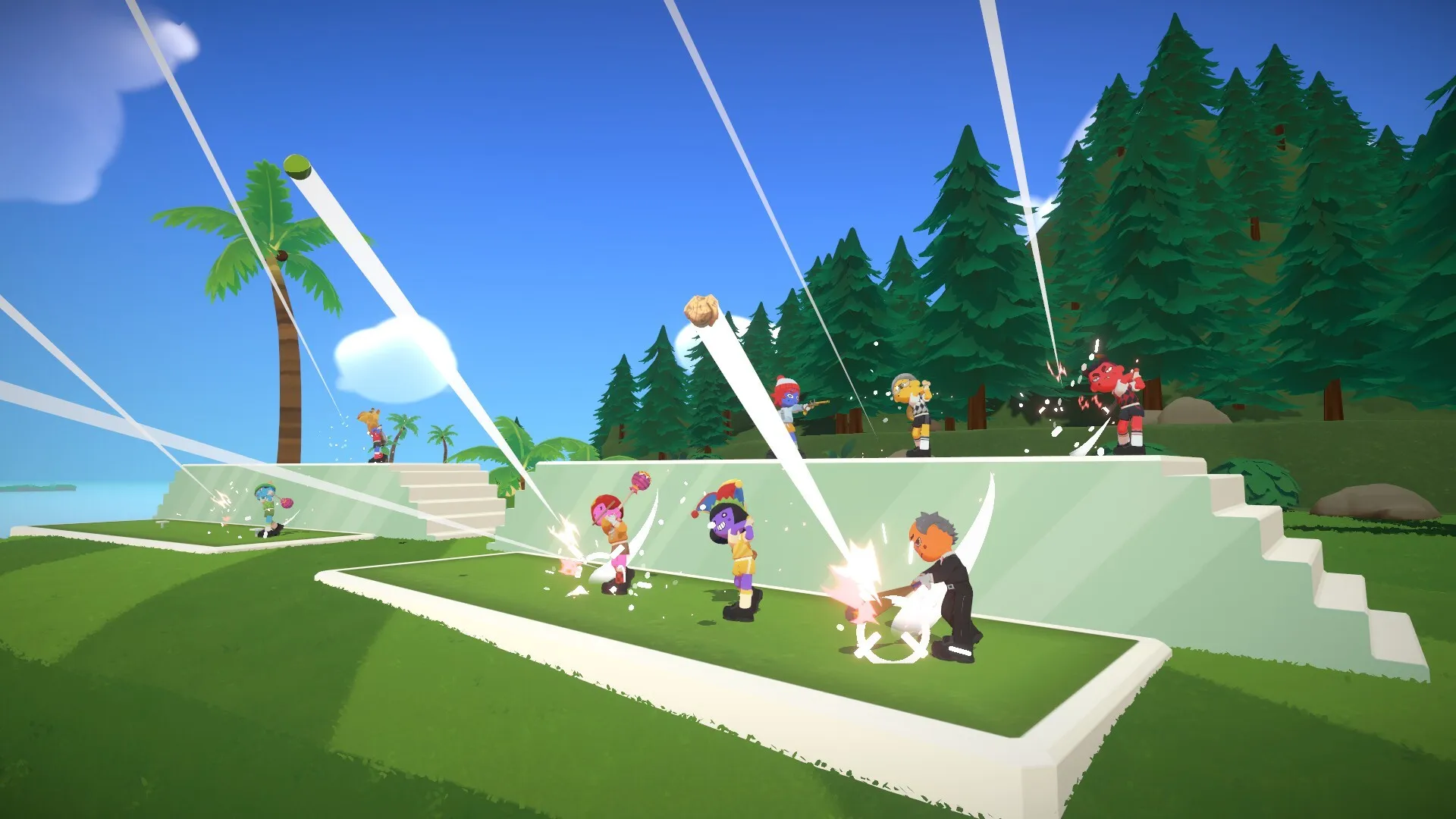
Super Battle Golf includes power-ups that can alter trajectories, disrupt opponents, or enhance control. Using them randomly wastes their potential.
Timing and context determine effectiveness.
Power-Up Usage Guidelines
- Use defensive boosts when cornered.
- Save disruptive tools for critical moments.
- Combine terrain advantage with ability timing.
Common Mistake
Using power-ups immediately after acquiring them instead of waiting for maximum impact.
Mastery comes from patience, not impulse.
6. How to Adapt in Mid-Game Competitive Matches
As competition increases, opponents become more strategic. Mid-game is where tactical depth becomes visible.
You must learn to adapt your approach depending on opponent style.
Opponent Types
- Aggressive risk-takers
- Defensive control players
- Tactical disruptors
Adaptation Strategy
- Punish aggressive overplays.
- Break defensive rhythm with creative angles.
- Counter disruptors by spacing carefully.
Mid-Game Adjustment
If behind, shift to calculated aggression—not reckless desperation.
7. How to Improve Shot Precision Under Pressure
High-level matches often come down to one decisive shot. Pressure affects timing and hand control.
Training consistency under stress is crucial.
Precision Training Routine
- Repeat identical shots 20–30 times.
- Practice clutch situations intentionally.
- Simulate final-hole pressure in custom matches.
Mental Control Technique
Slow breathing before each swing stabilizes timing and improves accuracy.
Elite players control emotion as much as mechanics.
8. How to Optimize Course-Specific Strategies
Each course has unique geometry and hazard placement. Memorization and pattern recognition create competitive advantage.
Instead of relearning every time, build a mental map of:
- Safe landing zones
- Optimal bank angles
- Dangerous rebound zones
Course Preparation Plan
- Study map layout before matches.
- Identify fastest safe path.
- Mark emergency recovery routes.
Advanced Insight
Sometimes a longer route with fewer hazards is faster overall.
Efficiency beats flashiness.
9. How to Handle Late-Game Comebacks
Comebacks require calculated risk. Panic leads to overshooting and mistakes.
Late-game strategy depends on score difference.
If Slightly Behind
- Play clean and pressure opponents.
- Avoid high-variance shots.
If Significantly Behind
- Take one calculated high-risk shot.
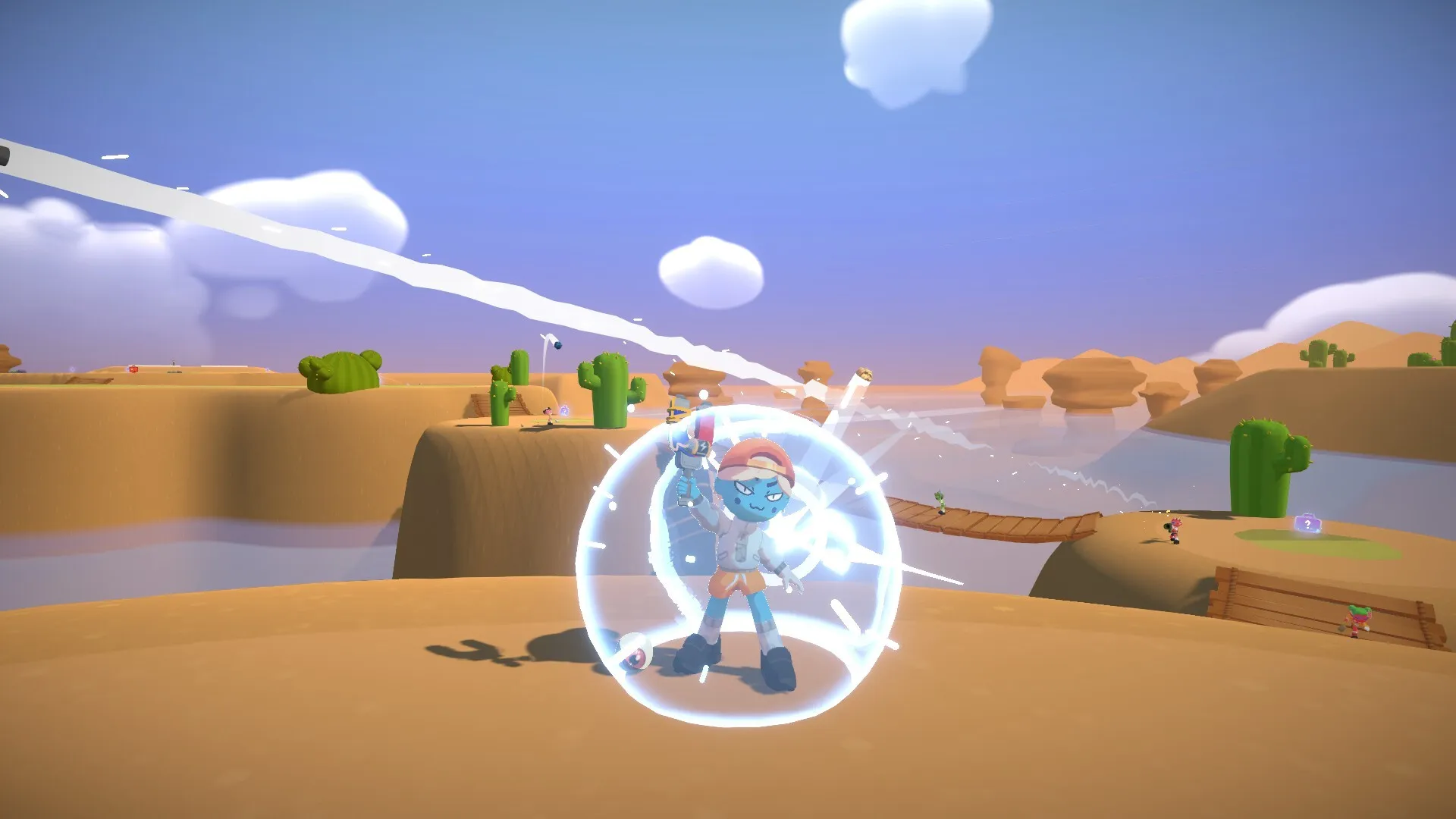
- Use power-ups strategically to disrupt leaders.
Comeback Rule
One bold, intelligent play is better than multiple reckless ones.
Momentum swings quickly in Super Battle Golf.
10. How to Transition Into High-Level Competitive Play
At advanced levels, small advantages decide matches. Micro-optimizations matter.
This stage focuses on refinement rather than learning basics.
Advanced Improvement Focus
- Perfect shot timing
- Precise bounce prediction
- Advanced bank-shot geometry
- Opponent mind games
Long-Term Growth Plan
- Review match replays.
- Identify recurring mistakes.
- Practice weak angles repeatedly.
Mastery Principle
Consistency wins championships. Flashy shots win clips.
Elite players prioritize repeatable success.
Conclusion
Mastering Super Battle Golf requires more than strong swings—it demands control, awareness, strategy, and composure. By understanding core mechanics, refining shot precision, reading terrain intelligently, and adapting to competitive pressure, you build a foundation for consistent victories.
From beginner fundamentals to high-level competition, structured improvement transforms chaotic gameplay into controlled dominance. The path to mastery is deliberate, strategic, and built on disciplined execution.