.webp) powerupreview.com
powerupreview.comMastering Defensive Positioning in Rematch: The Ultimate Guide to Stopping Attacks and Winning More Matches
Introduction
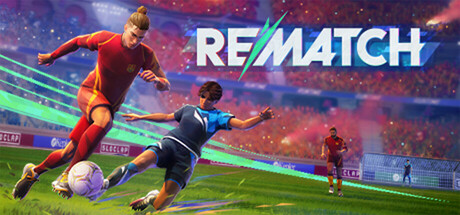
Rematch is a football game where individual positioning and decision-making can have a huge impact on the result. Unlike traditional football games that rely heavily on automated player movement, Rematch gives players direct control over their actions, making defensive mistakes much more costly. A defender who moves too early can open a passing lane, while a goalkeeper who commits at the wrong moment can leave the entire goal exposed.
Many players focus heavily on attacking mechanics but underestimate how much defensive positioning determines the outcome of a match. Winning the ball is only one part of defending. The real objective is controlling space, limiting passing options, protecting dangerous areas, and forcing attackers into low-percentage decisions.
This guide focuses specifically on advanced defensive positioning in Rematch. Instead of covering basic controls, it explains how to maintain defensive shape, track runners, defend passing lanes, coordinate with teammates, and make better decisions during transitions.
Understanding Defensive Shape
Defensive shape should always be your first priority. Chasing the player with the ball can feel productive, but leaving your position often creates a larger problem for the rest of the team. A disciplined defender constantly considers both the ball carrier and the space behind them.
Keep yourself between the attacker and the most dangerous area of the field whenever possible. If another teammate is already pressuring the ball carrier, avoid moving directly toward the same player. Instead, cover the next passing option and force the opponent to make a more difficult decision.
Protecting the Center
The central area in front of goal should receive the highest defensive priority. Allowing an attacker to move into a central shooting position is generally more dangerous than giving them additional space on the outside.
When defending, position yourself so that your body and movement can block the most dangerous route toward the center. If the attacker moves wide, you can usually recover. If you allow them to cut directly toward goal, the situation becomes much more difficult.
Defending Passing Lanes
Strong defending is often about predicting the next pass rather than chasing the current ball carrier. Watch the positions of nearby attackers and identify which player is most likely to receive the ball next.
Instead of standing directly behind the attacker, position yourself between the ball and the receiving player. This allows you to intercept passes or force the opponent to choose a less effective option. Even when you do not win the ball, closing the passing lane can slow down the entire attack.
Tracking Off-Ball Runs
One of the easiest ways to concede goals is to focus entirely on the player holding the ball. Attackers without the ball can create much more dangerous opportunities through diagonal runs, overlaps, and movements behind defenders.
Check your surroundings constantly. If an opponent begins accelerating into open space, decide whether you should follow the run or maintain your current position. Do not automatically chase every movement because this can pull you away from the area you are responsible for defending.
Coordinating With Teammates
Rematch rewards defensive coordination. A team that communicates and maintains structure can stop attacks that would overwhelm isolated defenders.
If a teammate moves toward the ball carrier, use that opportunity to cover the space they leave behind. Avoid having two defenders chase the same attacker while another opponent remains completely unmarked. Good defensive coverage works as a chain, with each player supporting the next.
Timing the Press
Pressing too early is one of the most common defensive mistakes. When you rush directly toward an attacker, skilled opponents can use a quick pass or movement change to bypass you.
Approach under control and close the available space gradually. Your objective is to reduce the attacker's options rather than immediately steal the ball. Once the attacker has fewer escape routes, the opportunity to challenge becomes much safer.
Defending One-on-One Situations
One-on-one defending requires patience. Aggressive movement can allow an attacker to change direction and move into open space.
Stay balanced and watch the attacker's movement rather than reacting to every small adjustment. Protect the route toward goal first. If the attacker is forced toward a less dangerous area, you have already won part of the defensive battle even without taking possession.
Handling Defensive Transitions
The moment possession changes is one of the most dangerous periods of a match. Players who were attacking may suddenly find themselves out of position, leaving large spaces for the opponent to exploit.
After losing possession, immediately identify the biggest threat rather than simply chasing the ball. Recover toward the center, track dangerous runners, and prevent the opponent from making an immediate forward pass. A few seconds of disciplined recovery can completely change the outcome of a counterattack.
Stopping Counterattacks
Counterattacks become dangerous when defenders move toward the wrong targets. The first priority is usually slowing the attack rather than attempting an instant tackle.
Force the ball carrier toward the outside or into a less favorable angle while teammates recover. Once defensive numbers improve, the attack becomes much easier to contain. A delayed counterattack is often far less dangerous than an uncontrolled one.
Defending Near the Goal
Defending close to your own goal requires even greater discipline. A small positional mistake can immediately create a shooting opportunity.
Protect the central shooting area first and avoid being pulled too far away by attackers positioned wide. If the ball moves toward the side, maintain awareness of cutbacks and central passing options. The most dangerous mistake is often losing sight of the attacker waiting in front of goal.
Goalkeeper Positioning
Goalkeeping in Rematch requires anticipation rather than simply reacting to shots. Standing too deep can give attackers more shooting angles, while moving too far forward can expose the goal to a quick finish or lob.
Adjust your position according to the ball and the location of the attackers. When an attacker approaches from a narrow angle, slightly adjusting your position can make the goal appear much smaller. Against a central attacker, maintaining a balanced position is more important because multiple shooting directions remain available.
Reading Attacker Intentions
Experienced defenders learn to recognize patterns before the final action occurs. An attacker facing forward with space may be preparing to accelerate, while an attacker slowing down may be waiting for a teammate to create an overlapping option.
Pay attention to body orientation, speed changes, teammate positioning, and available space. The more information you process before the opponent acts, the less you need to rely on reaction speed.
Managing Defensive Risks
Not every situation requires an immediate challenge. Sometimes the best defensive decision is simply maintaining position and waiting for the opponent to make a mistake.
Consider the consequences before committing. If missing a tackle leaves the opponent with a clear path toward goal, staying between the attacker and the goal may be safer. Defensive discipline often produces better results than constant aggression.
Improving Defensive Awareness
Improving awareness requires learning to look beyond the ball. During every defensive possession, regularly scan for open players, dangerous runs, and changes in formation.
After each conceded goal, analyze the sequence rather than focusing only on the final shot. Ask whether the problem started with a missed passing lane, poor positioning, an unnecessary press, or a failure to track a runner. Fixing the original mistake is more valuable than simply trying to react faster next time.
Building a Reliable Defensive Routine
Before every defensive sequence, establish three priorities: protect the center, identify the most dangerous attacker, and maintain a recovery option. These simple habits make defensive decisions more consistent.
Do not try to make spectacular plays every possession. Reliable defenders repeatedly make small correct decisions. Over an entire match, those decisions reduce the number of dangerous attacks your team has to defend.
Conclusion
Mastering defense in Rematch is not about chasing the ball or attempting a tackle every time an opponent approaches. Effective defending comes from controlling space, protecting central areas, reading passing lanes, tracking off-ball movement, and coordinating with teammates. By learning when to press, when to retreat, and when to simply hold your position, you can make attacks significantly harder to execute and become a much more reliable player in competitive matches.