.webp) powerupreview.com
powerupreview.comMinecraft Dungeons 2 – A Complete Guide and Expert Review
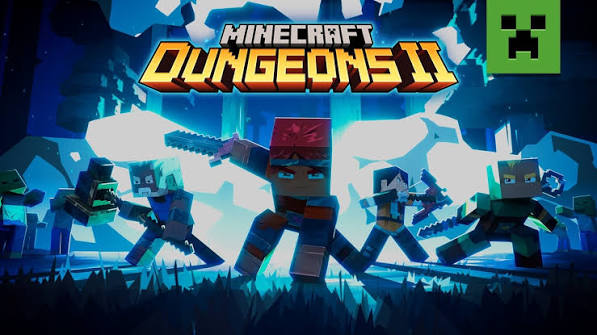
Minecraft Dungeons 2 is a highly anticipated name for players who enjoy the combination of Minecraft’s recognizable visual identity and fast-paced dungeon-crawling action. Building on the foundation established by Minecraft Dungeons, the concept of a sequel naturally raises an important question: how can a second adventure expand the formula while still keeping the simple, accessible gameplay that made the original appealing?
For fans searching for Minecraft Dungeons 2, the attraction is easy to understand. The Minecraft universe provides an enormous creative foundation, while the dungeon-crawler format creates opportunities for combat, exploration, equipment upgrades, enemy encounters, and cooperative adventures. A strong sequel needs more than familiar blocks and enemies, however. It needs meaningful progression, satisfying combat, interesting environments, and enough variety to encourage players to return.
This review examines Minecraft Dungeons 2 from the perspective of gameplay design, exploration, combat, progression, multiplayer potential, presentation, accessibility, strengths, weaknesses, and overall value. Rather than focusing only on the Minecraft name, the goal is to consider what makes the dungeon-crawling formula enjoyable and what players should expect from a sequel.
1. Understanding the Minecraft Dungeons 2 Concept
Minecraft Dungeons introduced a different way to experience the Minecraft universe. Instead of concentrating on building, crafting, or open-ended survival, the game focused on action-oriented dungeon exploration. Players moved through environments, fought groups of enemies, collected equipment, and gradually improved their characters.
A potential Minecraft Dungeons 2 naturally has the opportunity to develop this concept further. The basic formula is already easy to understand: enter an area, explore, fight enemies, discover rewards, improve your equipment, and prepare for increasingly difficult encounters.
This structure works because it creates a simple gameplay loop without requiring players to learn an enormous number of systems before they can enjoy themselves.
A Familiar Foundation
The biggest advantage of the Minecraft Dungeons formula is accessibility. Minecraft itself is one of the most recognizable game brands in the world, so players immediately understand the visual language.
At the same time, dungeon-crawling gameplay gives the sequel a clear identity. It does not need to become a traditional Minecraft survival experience. Instead, it can focus on action, loot, character progression, and cooperative play.
For returning players, this familiarity is valuable. For newcomers, the straightforward structure makes the experience easier to approach than many complicated action RPGs.
2. Exploring the World and Dungeon Environments
Exploration is one of the most important elements in a dungeon crawler. Simply moving from one fight to another can become repetitive, so level design needs to provide reasons to investigate the environment.
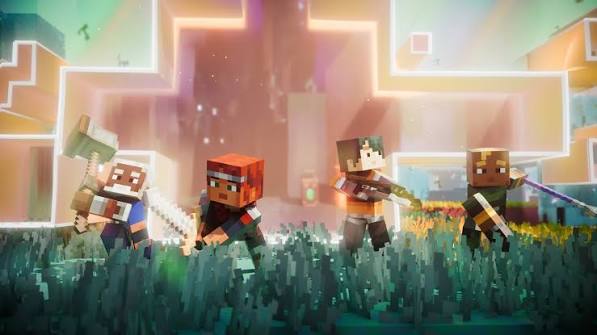
A strong Minecraft Dungeons 2 experience should encourage players to explore side paths, hidden areas, treasure locations, and optional encounters. Minecraft's visual style gives designers plenty of opportunities to create memorable environments using familiar blocks, landscapes, structures, caves, forests, ruins, and underground locations.
The best levels should feel like miniature adventures rather than simple combat corridors.
Variety Makes Exploration Better
Environmental variety can dramatically improve replayability. A dungeon set in a dark underground mine should feel different from an open forest, abandoned village, ancient temple, or dangerous fortress.
Different environments can also influence gameplay. Narrow corridors may encourage close-range combat, while larger spaces can reward ranged attacks and movement.
This kind of variation prevents the core gameplay loop from becoming monotonous.
Secrets and Optional Paths
Secret areas are especially appropriate for a Minecraft-based dungeon crawler. Minecraft has always encouraged players to investigate their surroundings, and a dungeon-focused sequel can translate that philosophy into hidden rooms and optional rewards.
Finding something valuable because you explored rather than simply followed the main path creates a satisfying sense of discovery.
3. Combat and Enemy Encounters
Combat is the heart of the dungeon-crawling experience. Players need to feel that every attack has impact and that their equipment choices genuinely affect how they approach encounters.
Minecraft Dungeons established a relatively accessible combat system, combining melee attacks, ranged weapons, abilities, and movement. A sequel can build on this foundation by creating greater variety between character builds and combat situations.
The ideal combat system should be easy to understand but difficult to master.
Melee Combat
Close-range combat should remain satisfying because Minecraft's recognizable weapons translate naturally into an action RPG environment.
Different weapon types can encourage different approaches. Fast weapons can reward aggressive movement, while heavier weapons can emphasize timing and positioning.
The important element is not simply having many weapons. Each weapon category should provide a meaningful gameplay difference.
Ranged Combat
Ranged weapons add another strategic layer. Players can attack dangerous enemies from a distance, control groups, or weaken opponents before moving into melee range.
Good ranged combat should reward positioning rather than simply allowing players to stand safely away from every encounter.
Abilities and Special Attacks
Special abilities can provide moments of power and help players customize their preferred playstyle.
A well-designed ability system gives players meaningful choices. One player might prioritize defensive abilities, while another focuses on damage, crowd control, mobility, or support.
This is where a sequel can potentially expand beyond the simplicity of its predecessor without becoming unnecessarily complicated.
4. Weapons, Equipment, and Loot Progression
Loot is one of the biggest reasons players return to dungeon-crawling games. Every completed encounter can potentially lead to a better weapon, armor piece, or useful ability.
Minecraft Dungeons 2 should make equipment feel exciting without overwhelming players with excessive inventory management.
A good loot system answers three questions:
- Is this item stronger than what I currently use?
- Does it change my playstyle?
- Does it work well with my current build?
If the answer to at least one of these questions is yes, the reward becomes meaningful.
Building a Personal Playstyle
Equipment should allow players to develop a recognizable identity.
One player might prefer aggressive melee combat. Another might rely heavily on ranged attacks. Someone else might focus on defensive equipment and survivability.
This freedom is particularly important in cooperative play because different builds can complement one another.
Avoiding Loot Fatigue
More equipment does not automatically mean better progression. If players constantly receive items that feel nearly identical, rewards can lose their excitement.
The best system provides enough variety to make experimentation worthwhile while keeping inventory management manageable.
5. Character Progression and Difficulty
Progression gives players a reason to continue playing after completing individual missions.
A successful progression system should make characters feel noticeably stronger while also introducing new challenges. If players become powerful without facing stronger enemies, the sense of achievement eventually disappears.
Minecraft Dungeons 2 can potentially address this through escalating difficulty, stronger enemies, more complex encounters, and increasingly valuable rewards.
Difficulty Should Encourage Experimentation
Higher difficulty should not simply mean enemies have much more health.
Better difficulty design encourages players to think differently. Players may need to change equipment, reconsider their abilities, improve positioning, or coordinate with teammates.
That creates a more satisfying form of progression because success comes from both character development and player skill.
Long-Term Goals
Dungeon crawlers benefit from long-term objectives. Players should have reasons to continue after finishing the main story.
Possible goals include:
- Completing higher difficulty levels
- Collecting rare equipment
- Experimenting with different builds
- Revisiting missions
- Completing optional challenges
- Playing cooperatively
- Improving personal combat efficiency
These objectives can turn a relatively straightforward campaign into a much longer experience.
6. Multiplayer and Cooperative Gameplay
Cooperative play has always been a natural fit for dungeon-crawling games. Minecraft itself is strongly associated with playing and creating alongside other people, making multiplayer particularly important to the identity of Minecraft Dungeons.
Minecraft Dungeons 2 would benefit enormously from cooperative gameplay that encourages players to complement one another rather than simply attacking everything independently.
A balanced group could contain players with different strengths. One player might focus on direct damage, another on ranged attacks, and another on defensive or support abilities.
Why Cooperation Matters
Playing together can make even familiar encounters more enjoyable.
Communication becomes useful when enemies attack from multiple directions, when difficult areas require careful positioning, or when players need to decide which targets should be eliminated first.
Cooperative progression also creates social reasons to return to the game. A player may finish the campaign alone but continue playing because friends want to try higher difficulties together.
Local and Online Potential
A modern dungeon crawler benefits from flexible multiplayer options. Whether players prefer local cooperative sessions or online adventures, accessibility can have a major effect on the game's longevity.
The more easily players can join friends, the stronger the social side of the experience becomes.
7. Graphics, Audio, and Minecraft's Visual Identity
One of the strongest aspects of the Minecraft Dungeons concept is its visual identity.
The block-based aesthetic provides an instantly recognizable foundation, but a dungeon crawler needs more visual variety than ordinary Minecraft environments. Lighting, particle effects, enemy animations, environmental details, and atmospheric locations can make familiar blocks feel dramatically different.
A More Cinematic Minecraft
A sequel has the opportunity to push the visual presentation further without abandoning the recognizable Minecraft style.
Large environments, dramatic lighting, detailed structures, magical effects, and varied enemy designs can give the world a stronger sense of scale.
The goal should not be photorealism. The strength of Minecraft comes from its stylized visual language.
Sound Design
Audio is equally important during combat.
Clear attack sounds can make weapons feel more powerful, while environmental audio can make different areas feel distinct. Music can also help establish the tone of major encounters.
Good sound design does not necessarily need to be complicated. It simply needs to reinforce what is happening on screen.
9. Who Should Play Minecraft Dungeons 2?
Minecraft Dungeons 2 is particularly appealing to players who enjoy action RPGs but prefer a more approachable experience.
It can be a good choice for Minecraft fans who want something different from traditional survival gameplay. Instead of building structures or managing a survival base, players can concentrate on combat, exploration, equipment, and cooperative adventures.
It may also appeal to players who enjoy games such as:
- Action RPGs
- Dungeon crawlers
- Loot-based games
- Cooperative adventures
- Casual-to-moderate RPG experiences
- Minecraft-themed games
- Short repeatable missions
- Build experimentation
The game is especially attractive for groups of friends because cooperative dungeon crawling can transform relatively simple mechanics into a much more engaging social experience.
10. Rating and Final Verdict
Minecraft Dungeons 2 has a strong foundation because the Minecraft universe and dungeon-crawling format naturally complement each other.
The most important factor is execution. A sequel needs enough new environments, enemies, equipment, abilities, challenges, and progression systems to justify its existence rather than simply repeating the original formula.
Rating
- Gameplay: 9.0/10
- Combat: 8.8/10
- Exploration: 8.7/10
- Equipment & Loot: 9.0/10
- Progression: 8.8/10
- Multiplayer Potential: 9.2/10
- Visual Identity: 9.3/10
- Accessibility: 9.4/10
- Replay Value: 8.9/10
- Overall: 9.0/10
Final Verdict
The biggest strength of Minecraft Dungeons 2 is its accessibility. The concept does not require players to understand complicated RPG systems before they can start having fun. Enter a dungeon, fight enemies, collect equipment, improve your character, and try again at a higher level.
At the same time, the sequel has the potential to offer enough customization for players who want to experiment with builds and strategies.
For casual players, the straightforward gameplay can make the experience approachable. For experienced dungeon-crawler fans, deeper equipment combinations and increasingly challenging encounters can provide a stronger reason to continue playing.
The key to its success is variety. As long as the game continues introducing interesting environments, meaningful rewards, challenging encounters, and useful customization options, the Minecraft Dungeons formula can remain engaging for a long time.
Conclusion
Minecraft Dungeons 2 represents an appealing evolution of the dungeon-crawling concept within one of gaming's most recognizable universes. The combination of Minecraft's visual identity, accessible action combat, equipment progression, exploration, and cooperative gameplay creates a foundation that can appeal to both longtime Minecraft fans and players who enjoy action RPGs.
What makes the concept especially promising is its flexibility. Players can approach dungeon exploration casually, focus on improving equipment, experiment with different builds, or team up with friends for more challenging adventures.
The biggest challenge is avoiding repetition. A successful sequel needs meaningful differences between environments, enemies, equipment, and encounters. If those elements are handled well, Minecraft Dungeons 2 can offer much more than a familiar Minecraft-themed action game.
Overall, Minecraft Dungeons 2 earns an estimated 9.0/10 based on its potential as an accessible, cooperative, loot-driven dungeon crawler. Its recognizable world, approachable mechanics, customization opportunities, and multiplayer potential make it an attractive choice for players looking for a different way to experience the Minecraft universe.